
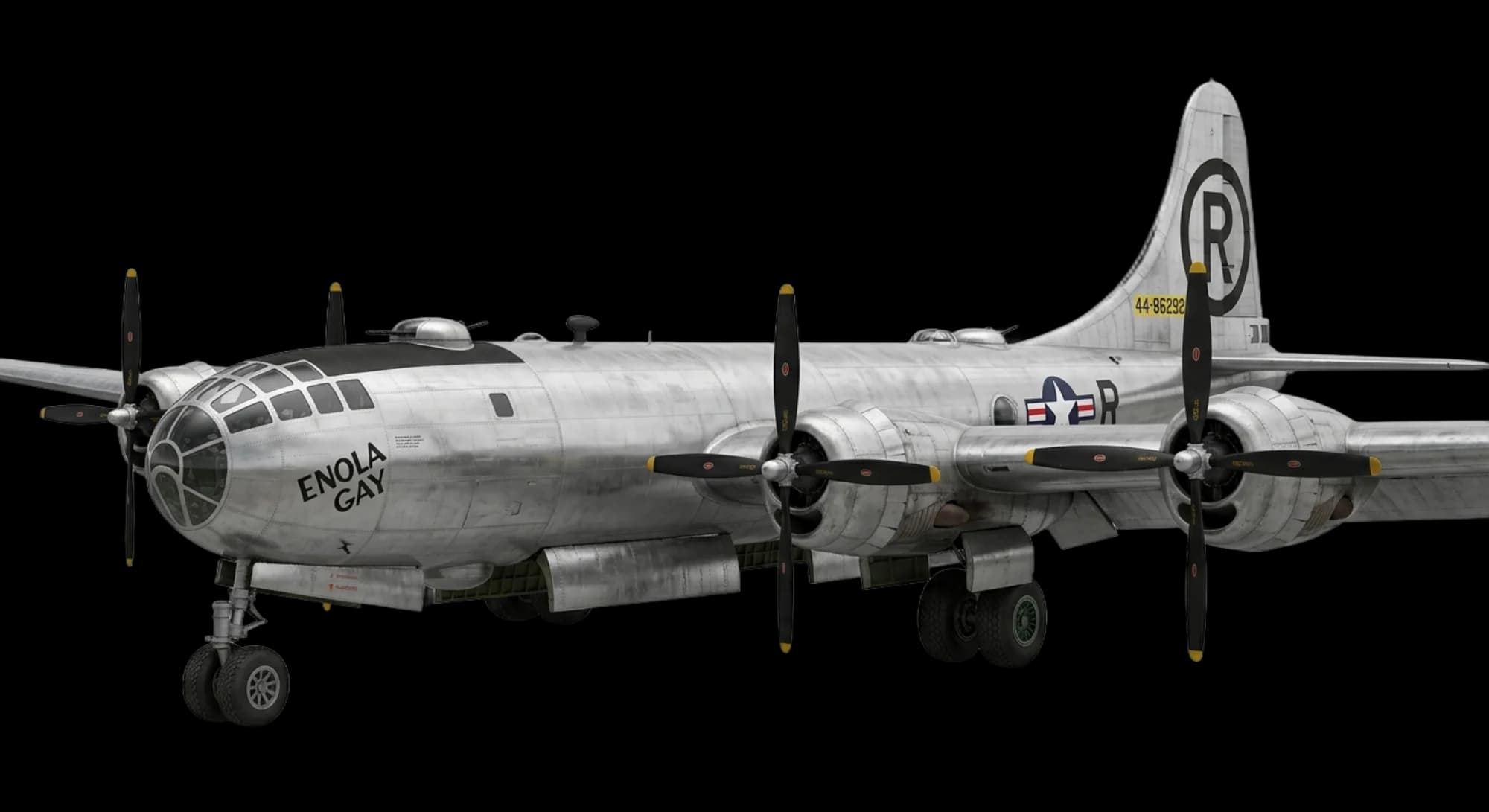
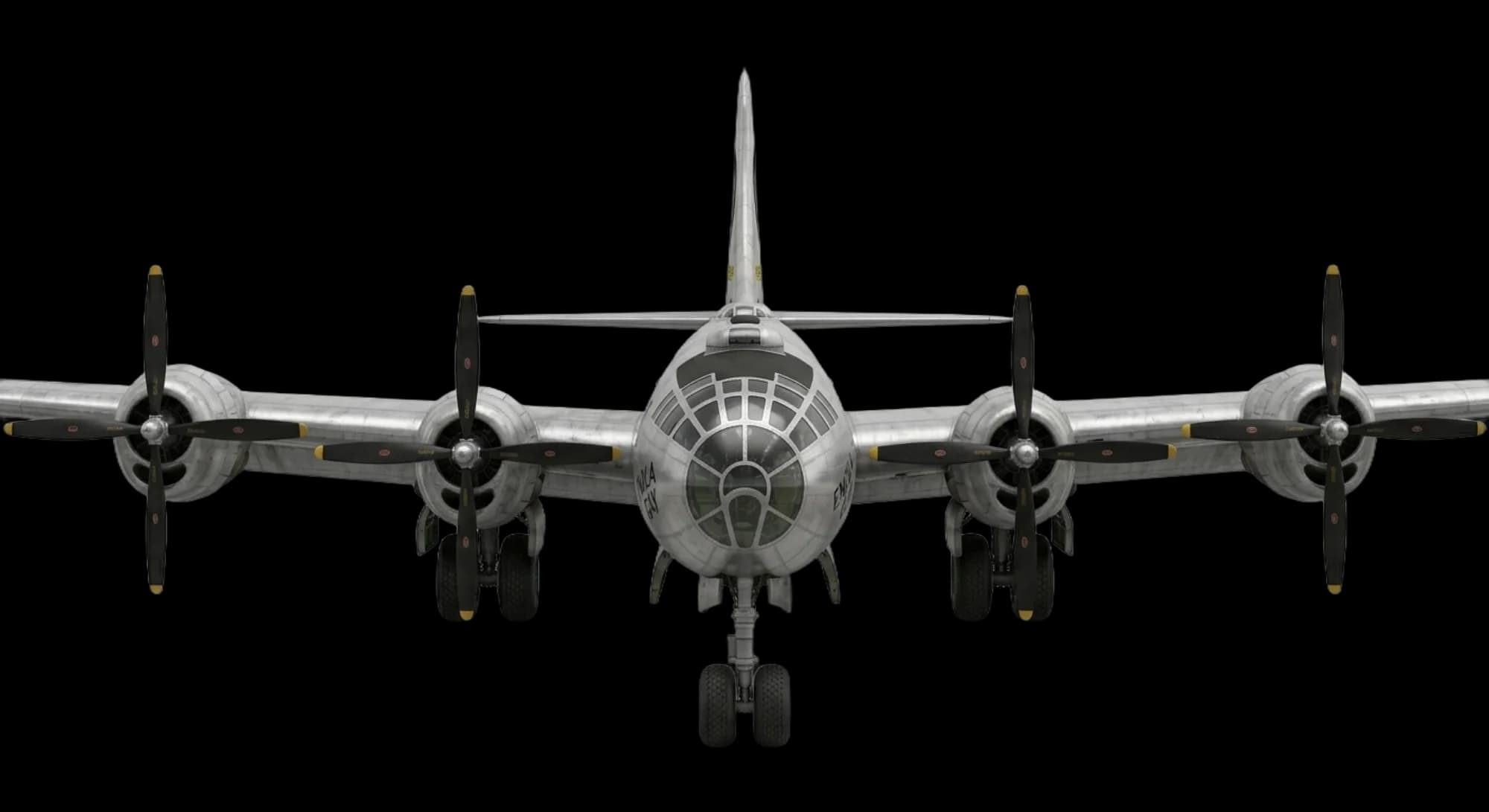
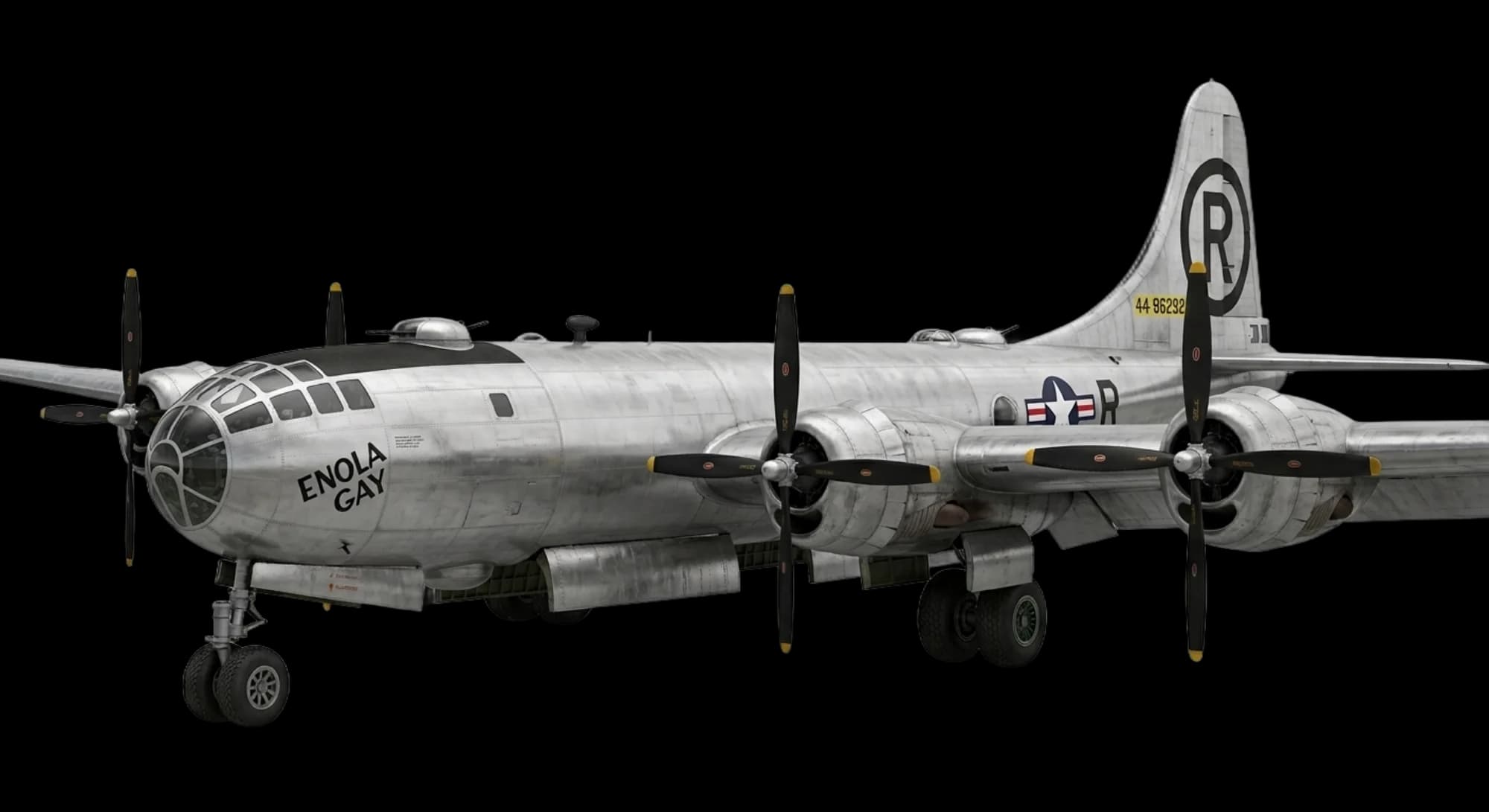
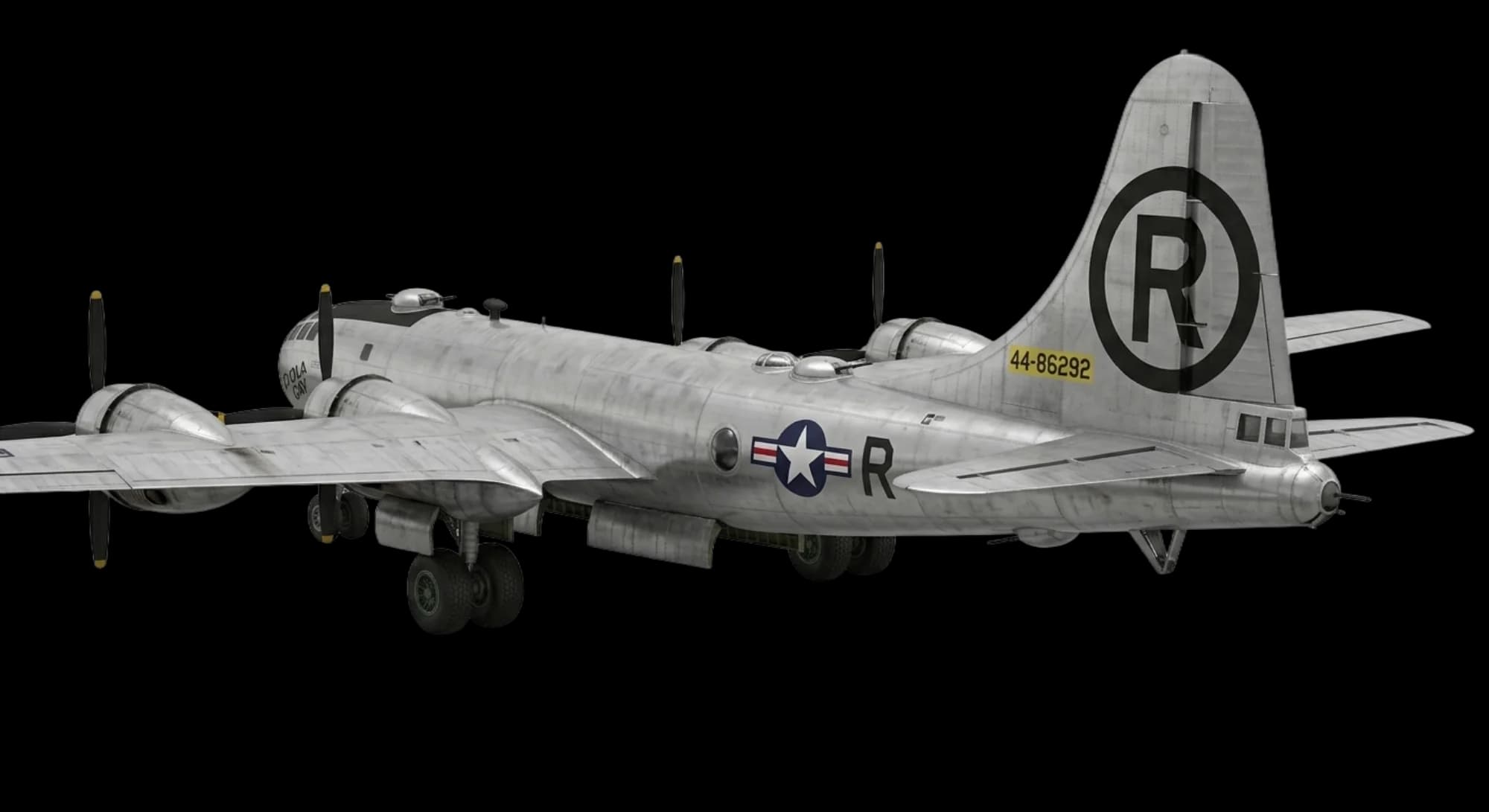
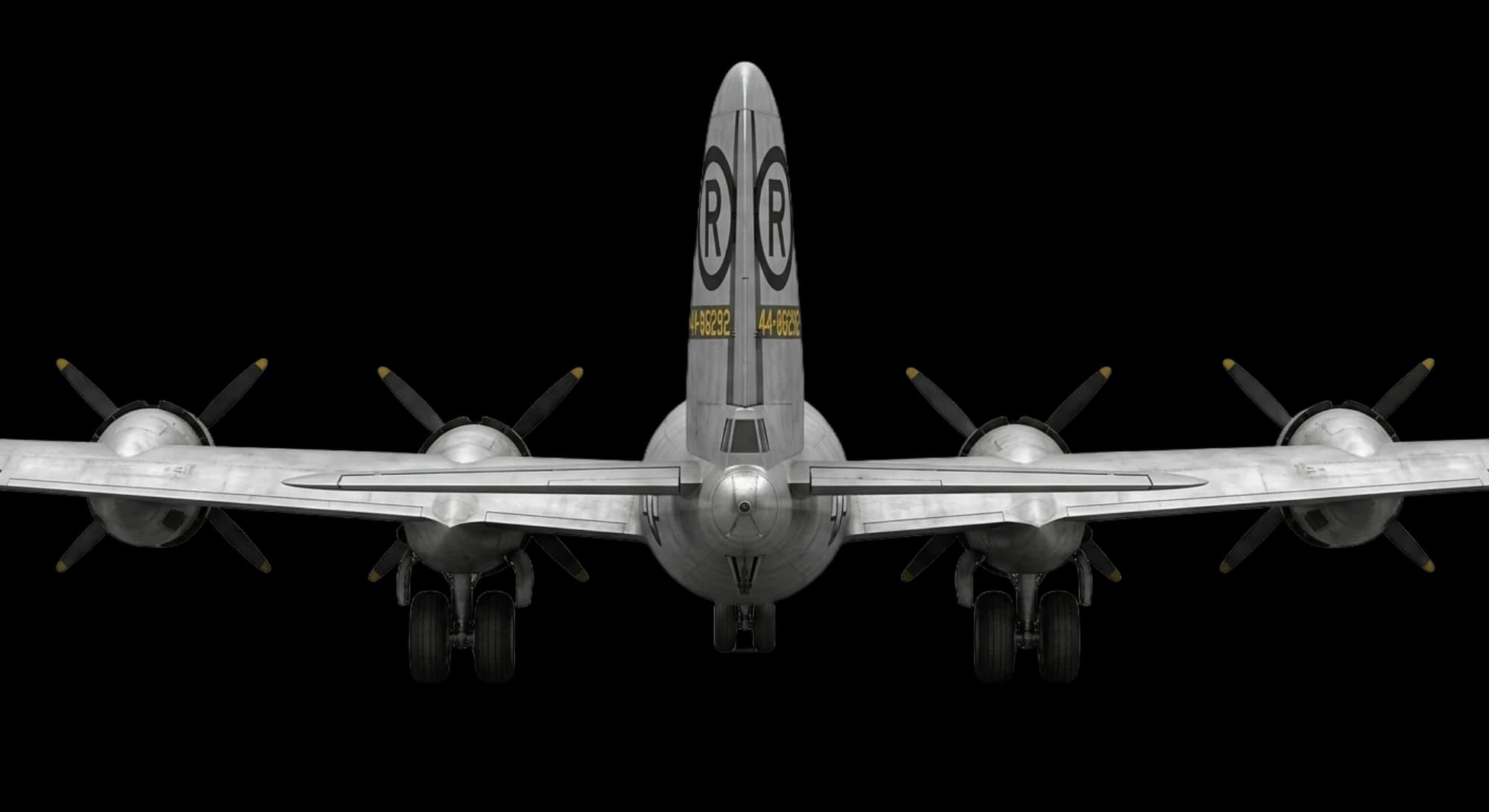
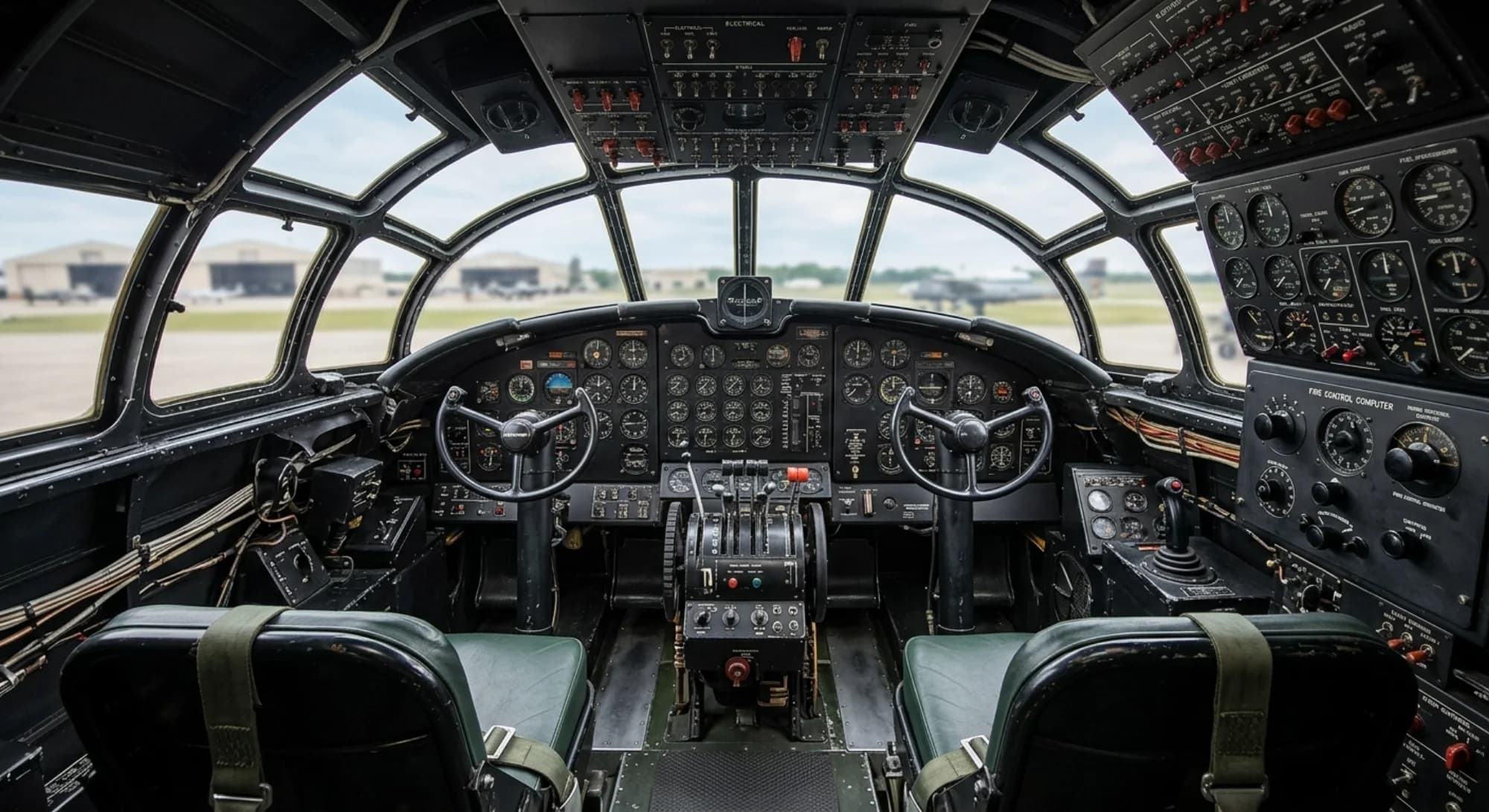
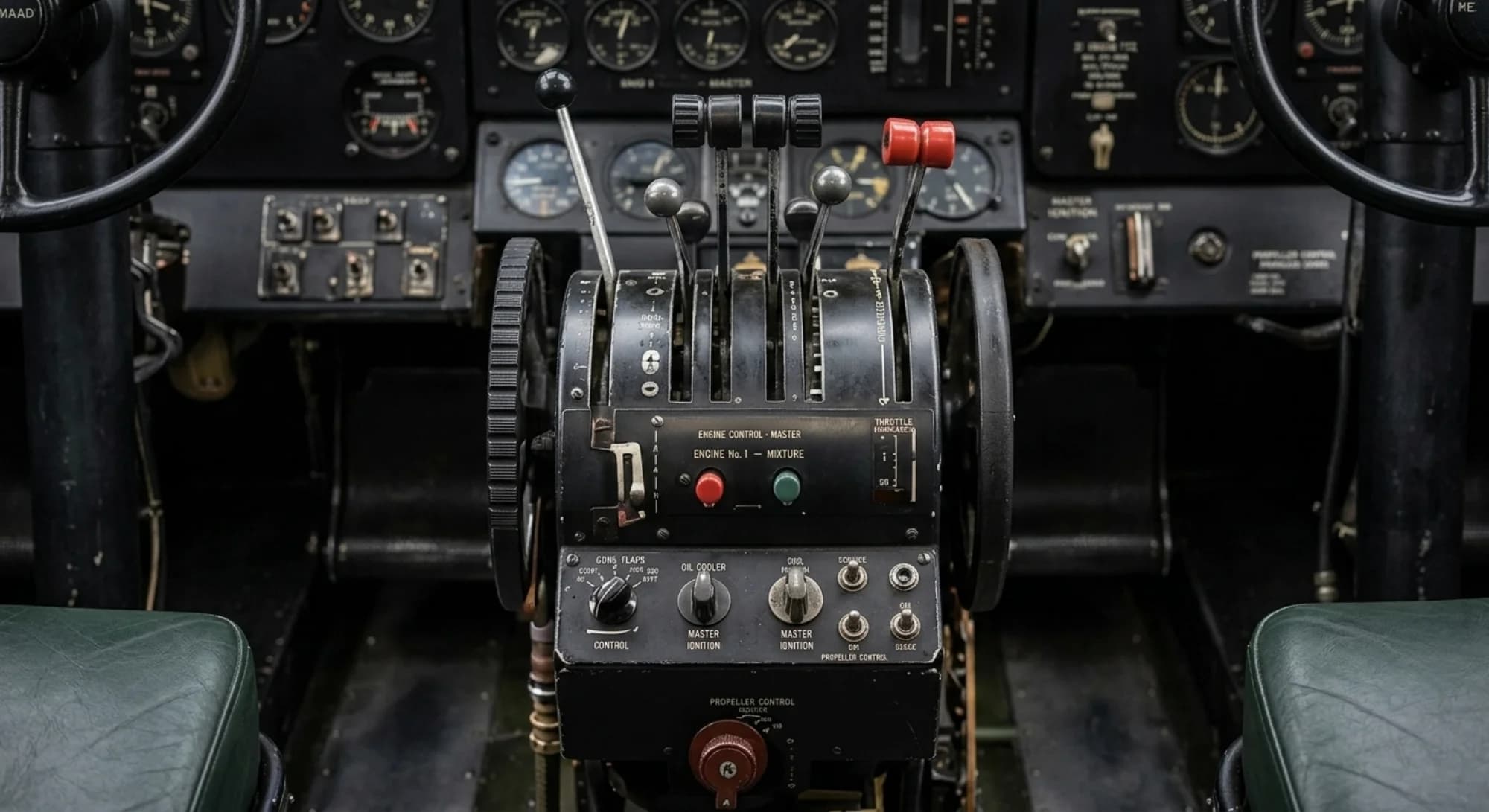
The aircraft that ended WWII by dropping atomic bombs on Japan. The most technologically advanced bomber of its era.
History
The Boeing B-29 Superfortress was the most technologically advanced aircraft of WWII, featuring pressurized crew compartments, remote-controlled gun turrets, and a central fire-control computer. It was designed specifically for the strategic bombing campaign against Japan and could fly higher and farther than any previous bomber. B-29s conducted the devastating firebombing raids on Japanese cities and, most significantly, the Enola Gay and Bockscar dropped the atomic bombs on Hiroshima and Nagasaki in August 1945, ending the war. The program cost $3 billion, more than the Manhattan Project itself. B-29s later served in Korea and as aerial refueling tankers before retirement.
Timeline
Production & Heritage
Technical Specifications
Engine Details
Performance
Dimensions
Weights
Armament
Capacity
Tags
Designed by Edward Curtis Wells
Featured in
Featured in Collections
Keep Exploring
View all aircraft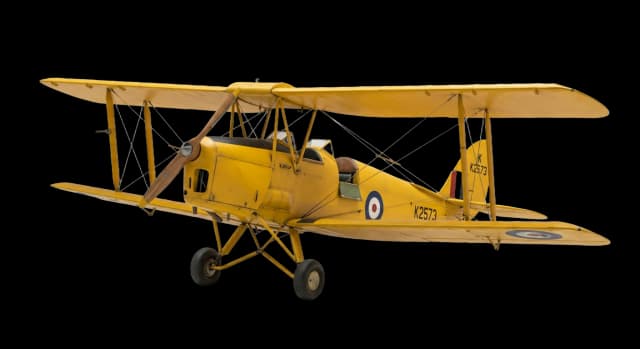
de Havilland
Tiger Moth
1931 - 1959 · Trainer
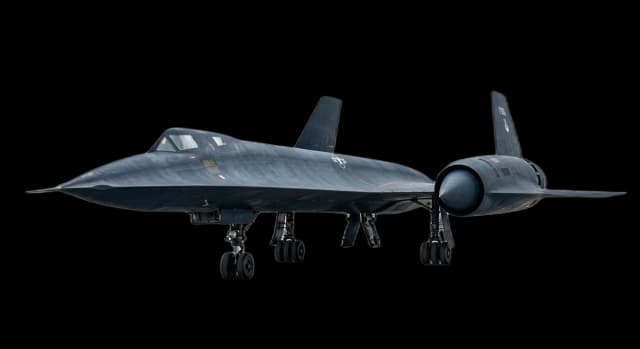
Lockheed Martin
SR-71 Blackbird
1964 - 1999 · Reconnaissance
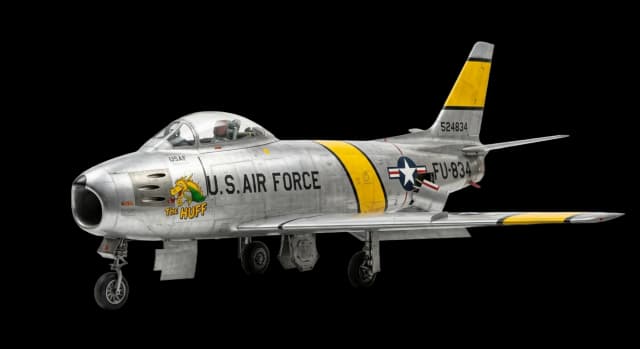
North American Aviation
North American F-86 Sabre
1947 - 1993 · Fighter
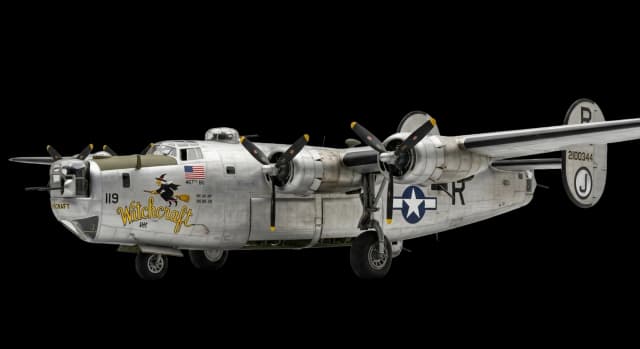
Consolidated Aircraft
Consolidated B-24 Liberator
1939 - 1953 · Bomber
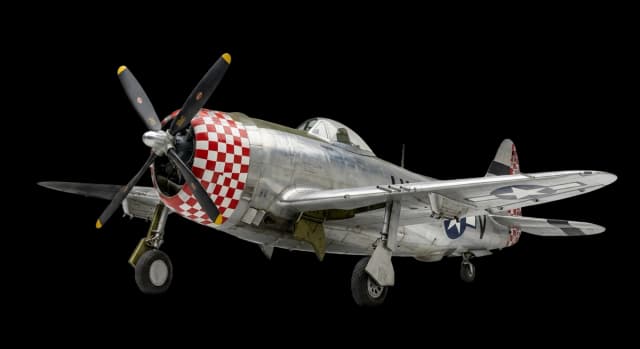
Republic Aviation
Republic P-47 Thunderbolt
1941 - 1955 · Fighter
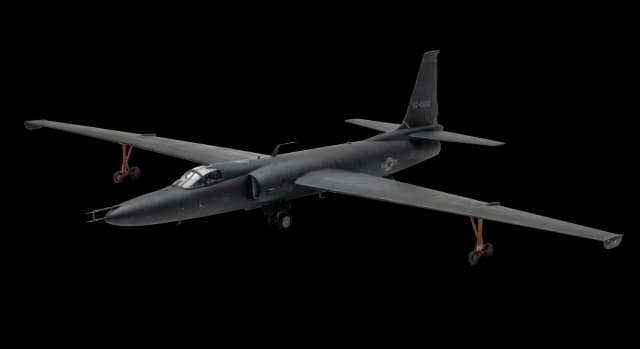
Lockheed Martin
Lockheed U-2
1955 · Reconnaissance
