
Cold War Icons
The aircraft that defined the standoff between East and West from 1947 to 1991. Interceptors, bombers, spy planes, and fighters designed to fight a war that thankfully never came -- but whose technology shaped everything that followed.
19 aircraft
For 44 years, the Cold War drove aerospace development at a pace not seen since World War II. Both superpowers poured enormous resources into aircraft that could deliver nuclear weapons, intercept incoming bombers, spy on the enemy, and achieve air superiority in a conflict everyone hoped would never happen. The result was the most intense period of military aircraft development in history.
The Strategic Deterrent
The B-52 Stratofortress entered service in 1955 and remains operational seven decades later -- the most enduring combat aircraft in history. Its Soviet counterpart, the Tu-95 Bear, still patrols with Russian forces. Both were designed to deliver thermonuclear weapons across intercontinental distances, and both proved so adaptable that they outlasted every replacement designed for them.
The Spy Planes
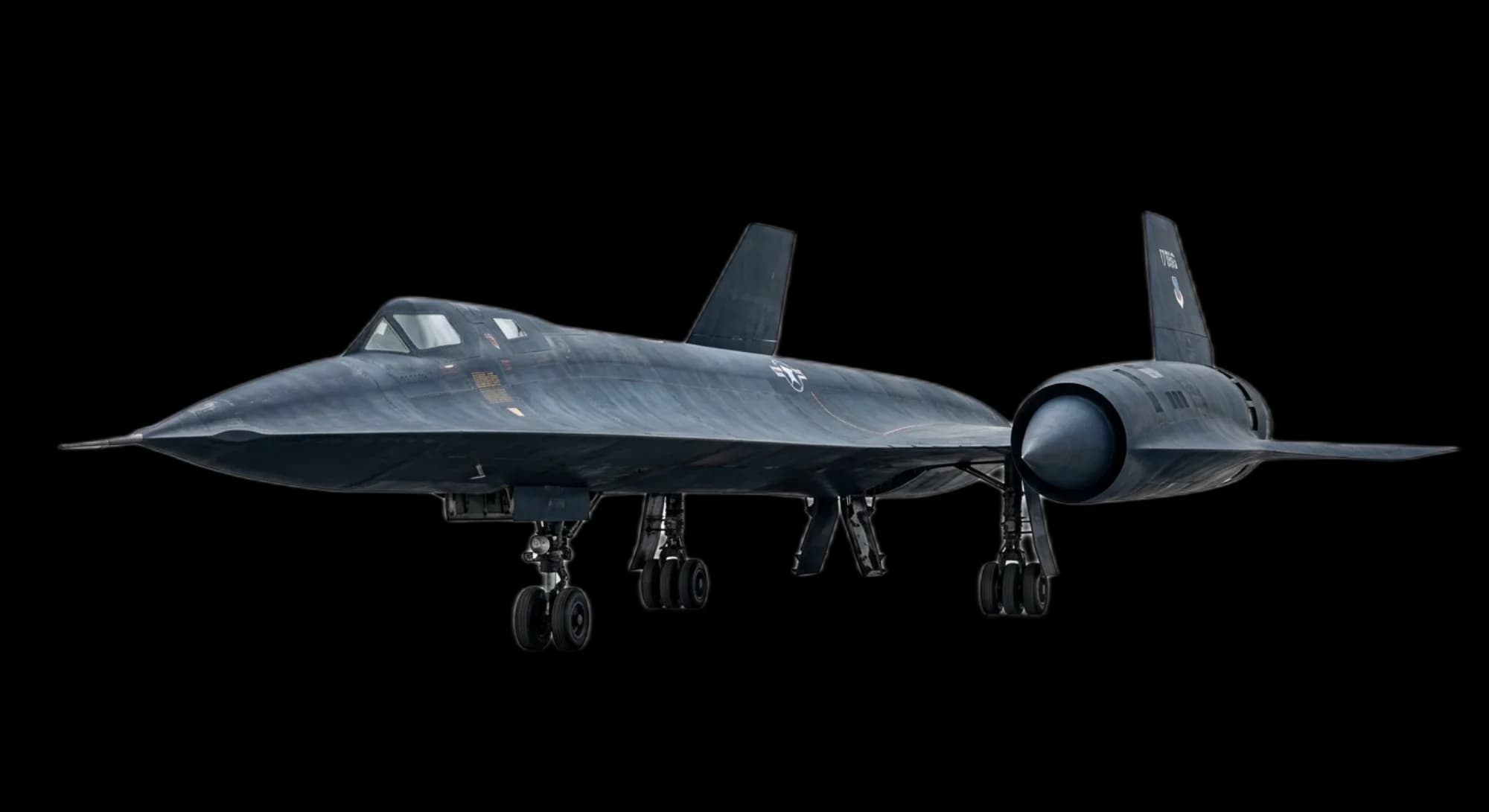
When you cannot fight, you watch. Kelly Johnson's U-2 and SR-71 gave the United States the ability to observe Soviet military developments from altitudes and speeds that made interception impossible. The SR-71 flew 3,500 missions without a single loss to enemy action. Its standard evasion procedure when a missile was launched was simply to accelerate.
Fighters of the Standoff
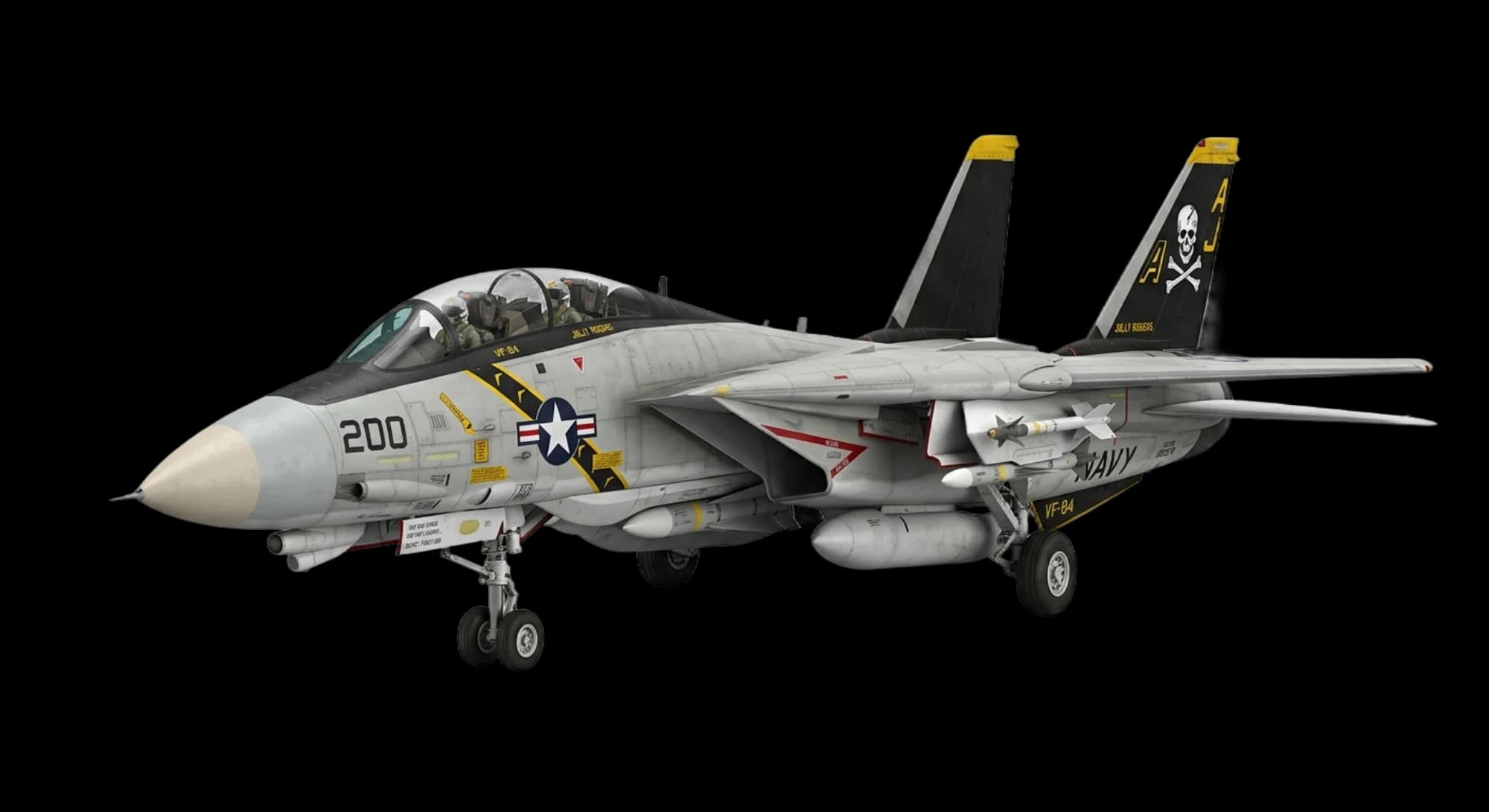
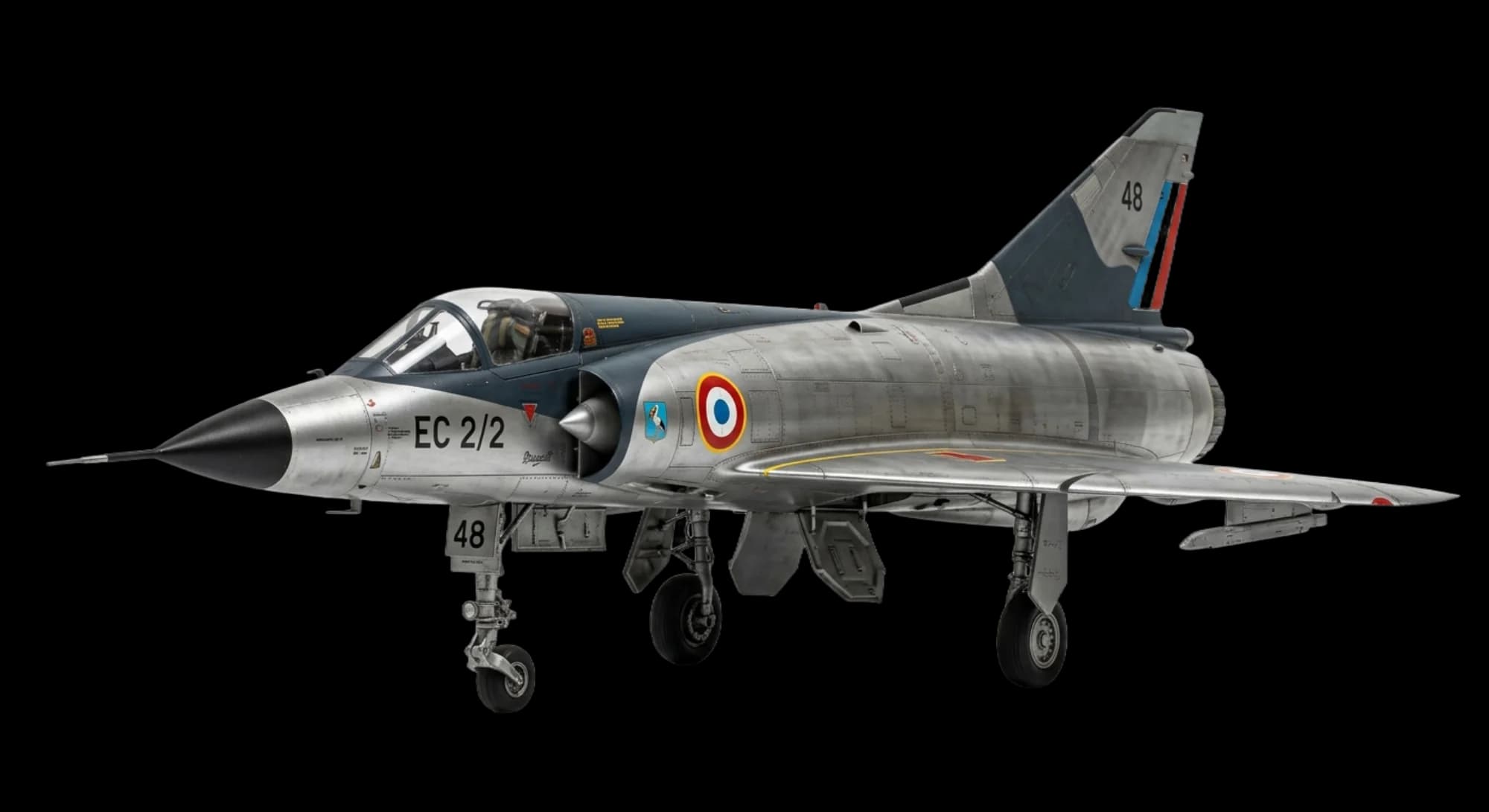
The Grumman F-14 Tomcat could engage six targets simultaneously at ranges exceeding 100 nautical miles, defending carrier battle groups from Soviet bomber-launched cruise missiles. The Dassault Mirage III proved European fighters could match American and Soviet designs, achieving devastating kill ratios in Israeli hands during the Six-Day War. These aircraft were built for a war that never came, but they defined the technology of air combat for generations.
The Cold War ended without the apocalyptic conflict these aircraft were designed for. But their legacy is immense: stealth technology, fly-by-wire controls, precision-guided munitions, and the integrated sensor-weapon systems that define modern air power all emerged from the Cold War's relentless technological competition.
