
Unlikely Heroes
Aircraft that exceeded every expectation. The wooden Mosquito that outran fighters. The trainers that became combat legends. The transports that flew into history. Proof that great aircraft don't always look the part.
3 aircraft
Not every legendary aircraft was designed to be legendary. Some were rejected by the establishment, built from unconventional materials, or repurposed far beyond their original mission. These are the aircraft that proved the experts wrong -- the underdogs that became icons.
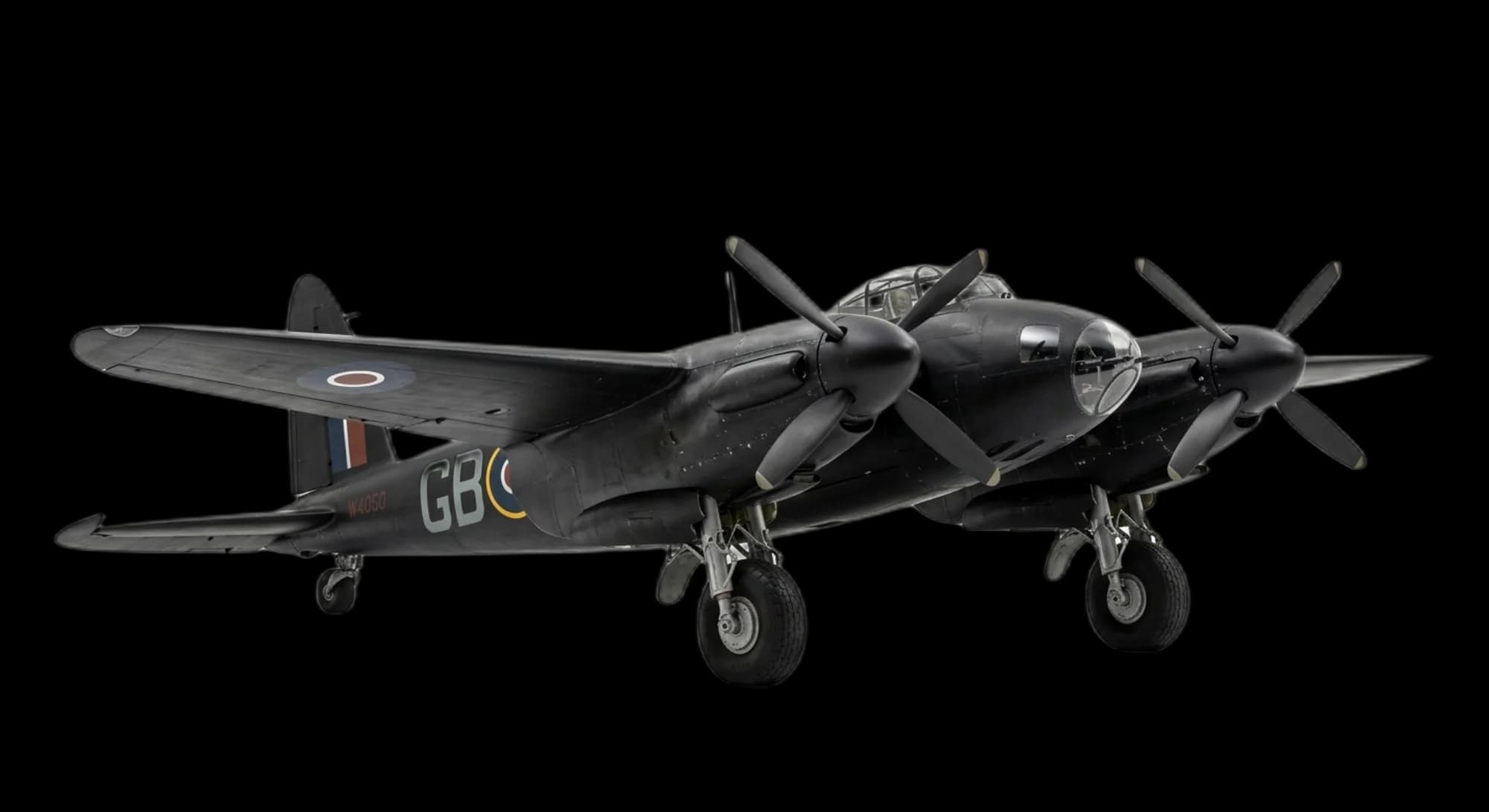
The Rejected Masterpiece
The Air Ministry told Geoffrey de Havilland that a wooden bomber was retrograde. He built the Mosquito anyway. It outran every fighter in the Luftwaffe, carried a 4,000-pound bomb load to Berlin, and achieved the lowest loss rate of any Bomber Command aircraft. The Mosquito proved that speed was better than armor, and that unconventional thinking could produce extraordinary results.
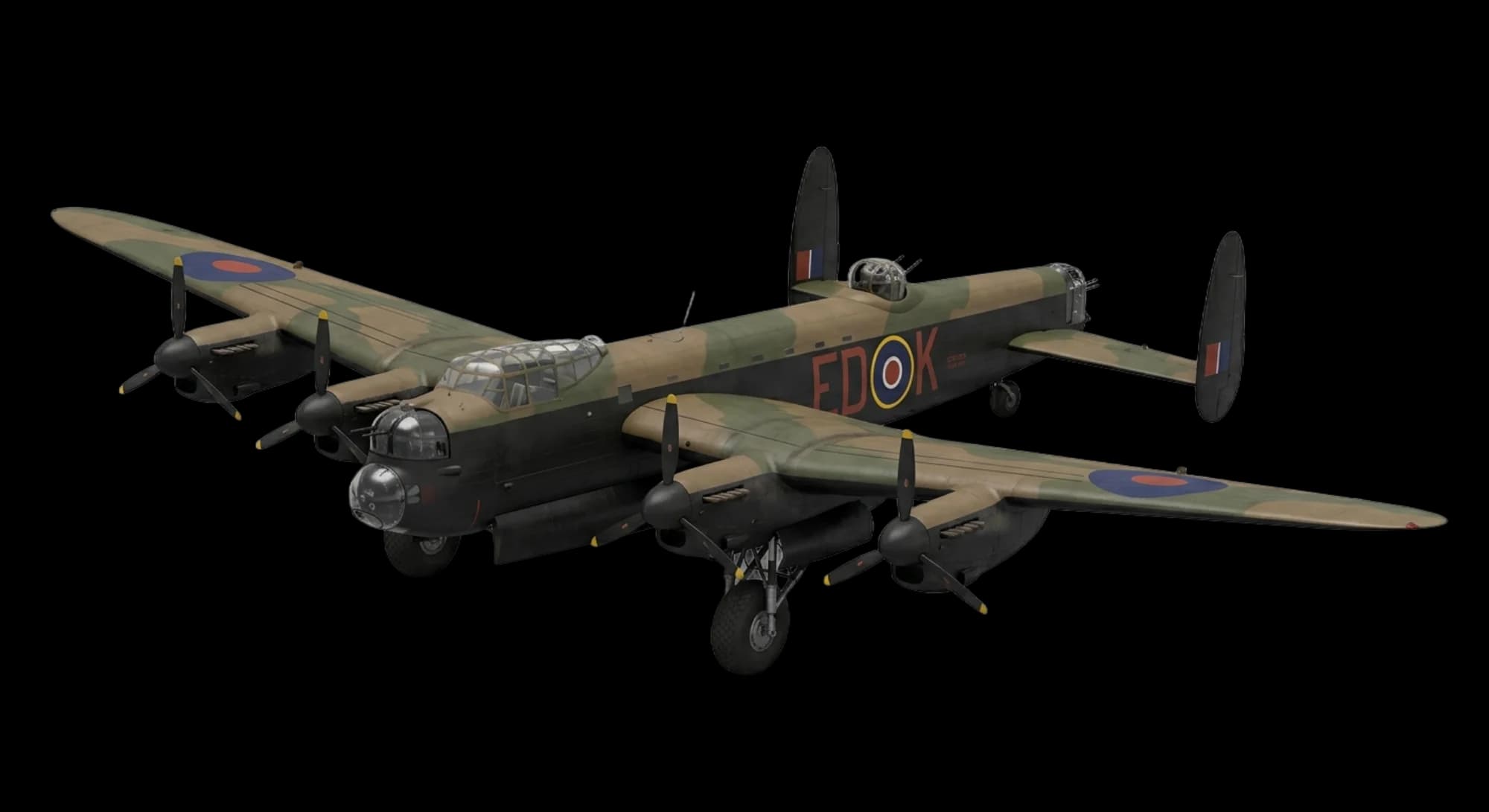
From Failure to Legend
The Avro Lancaster began as the Manchester, a twin-engine bomber so unreliable that Avro nearly lost its contracts. Roy Chadwick's solution was elegant: add two more Merlin engines. The resulting Lancaster became the backbone of Bomber Command's strategic campaign, carrying the heaviest bomb loads of any Allied bomber -- including the 22,000-pound Grand Slam that no other aircraft could lift.
Accidental Icons
The Boeing 747 was designed as a stopgap -- Boeing expected supersonic transports to replace it within a decade. Instead, the 747 remained in production for 54 years and carried more passengers than any aircraft in history. Its distinctive hump, originally designed for nose-loading cargo conversion, became the most recognized aircraft feature in the world.

The unlikely heroes share a common trait: they were underestimated. The Mosquito was too unconventional. The Lancaster was born from failure. The 747 was supposed to be temporary. In each case, the aircraft's actual performance so far exceeded expectations that it redefined what was considered possible. The best aircraft are often the ones nobody expected.
