Mitsubishi A6M Zero

1939-1945
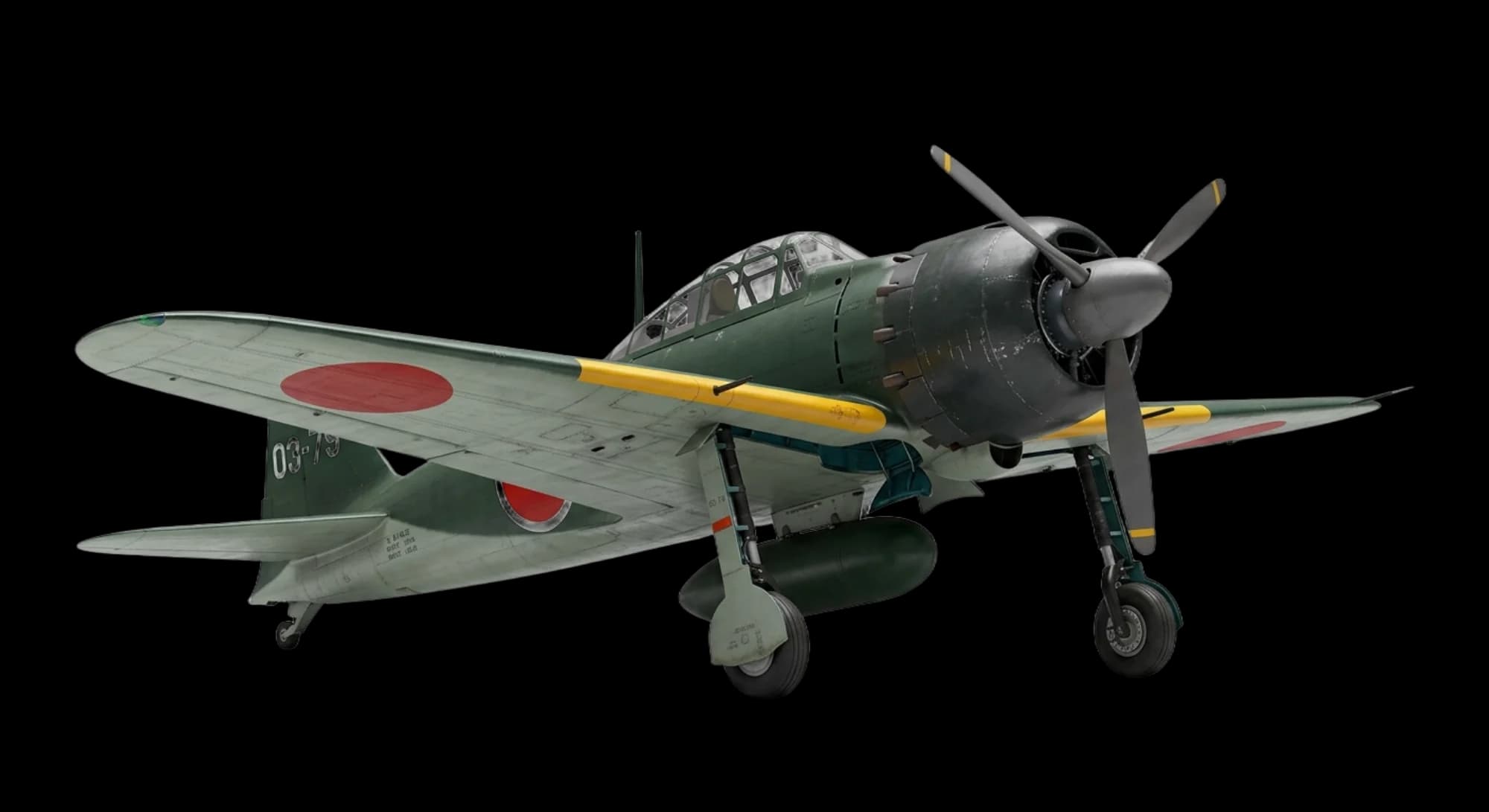
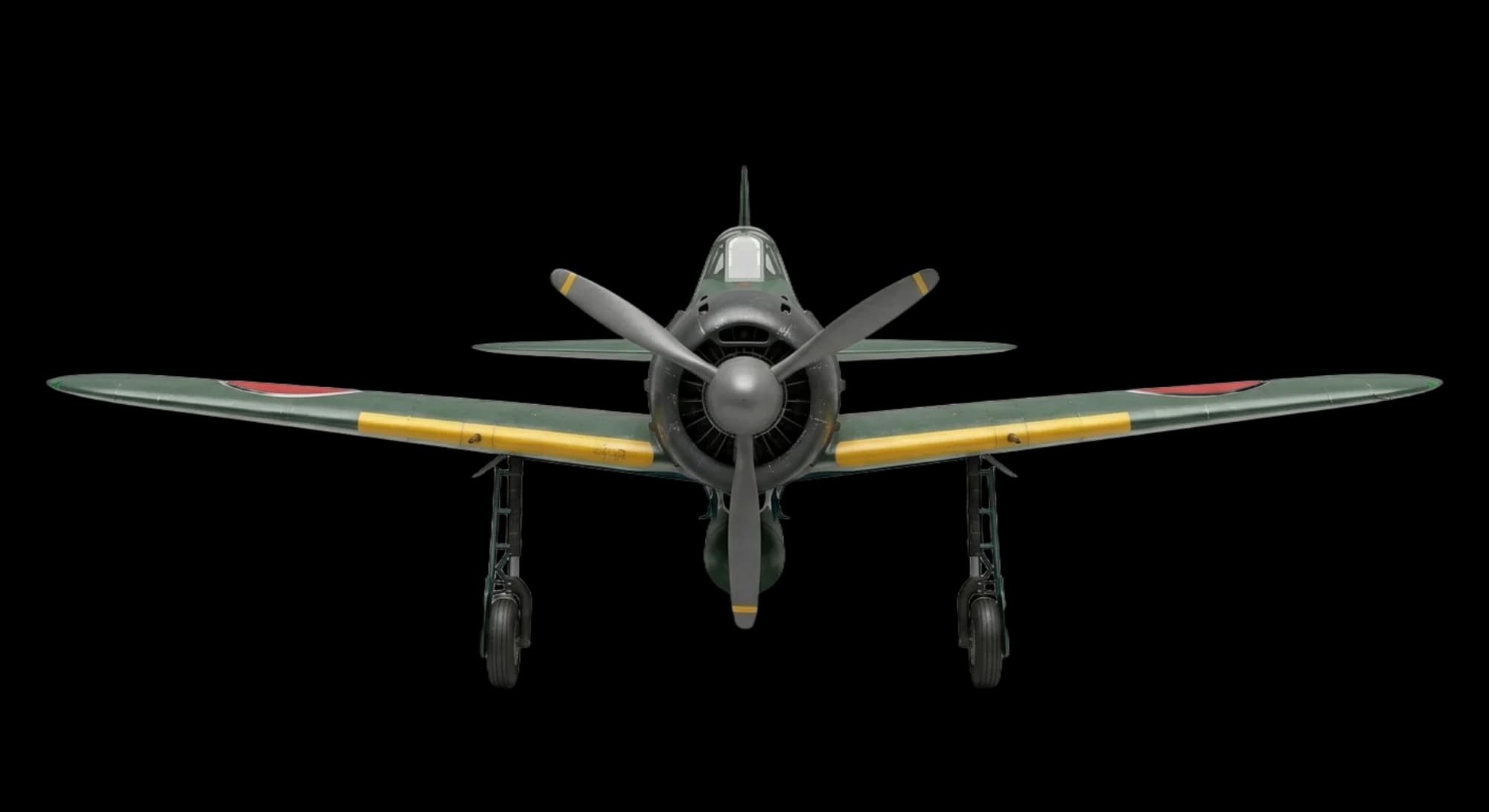
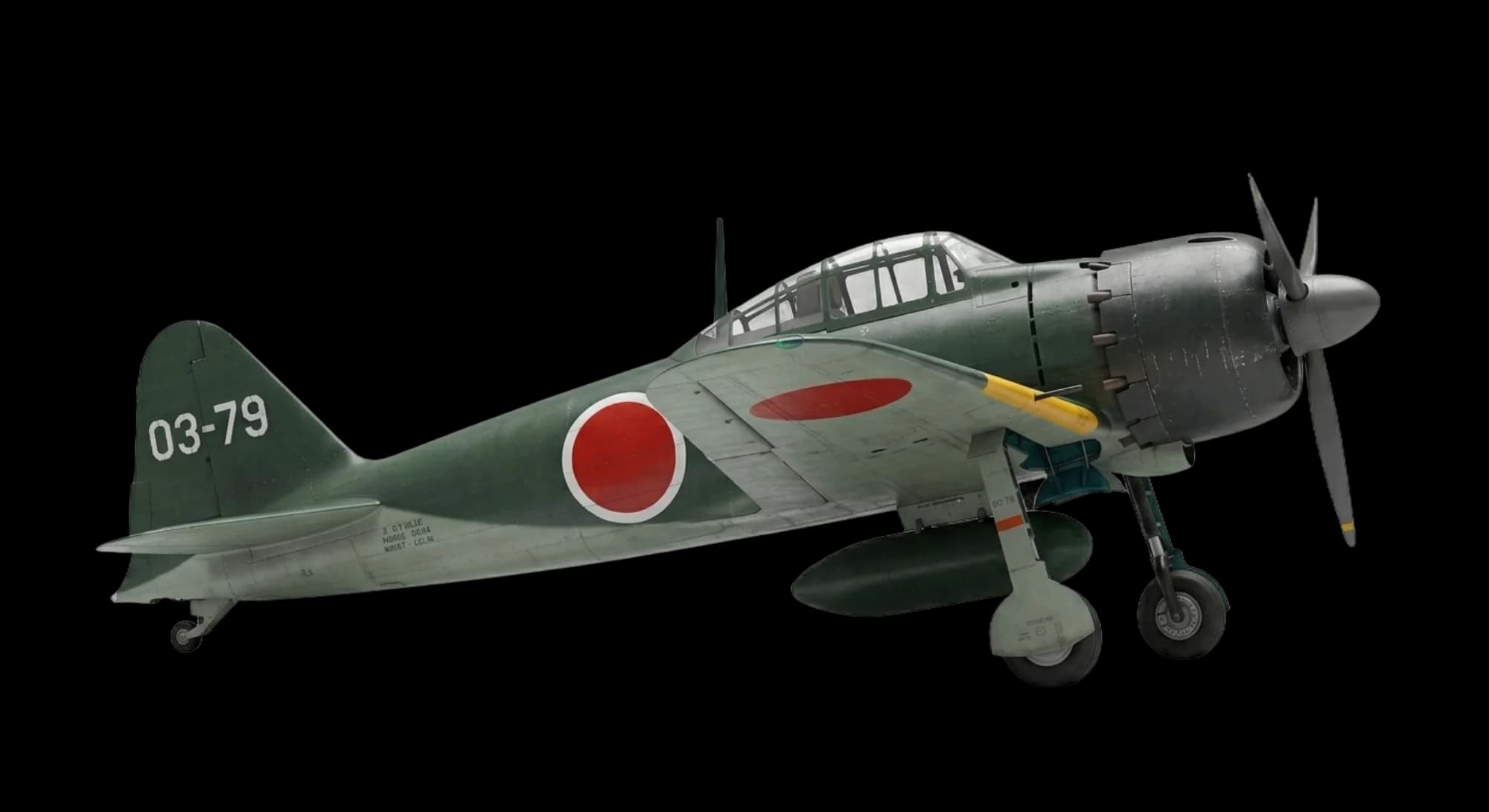
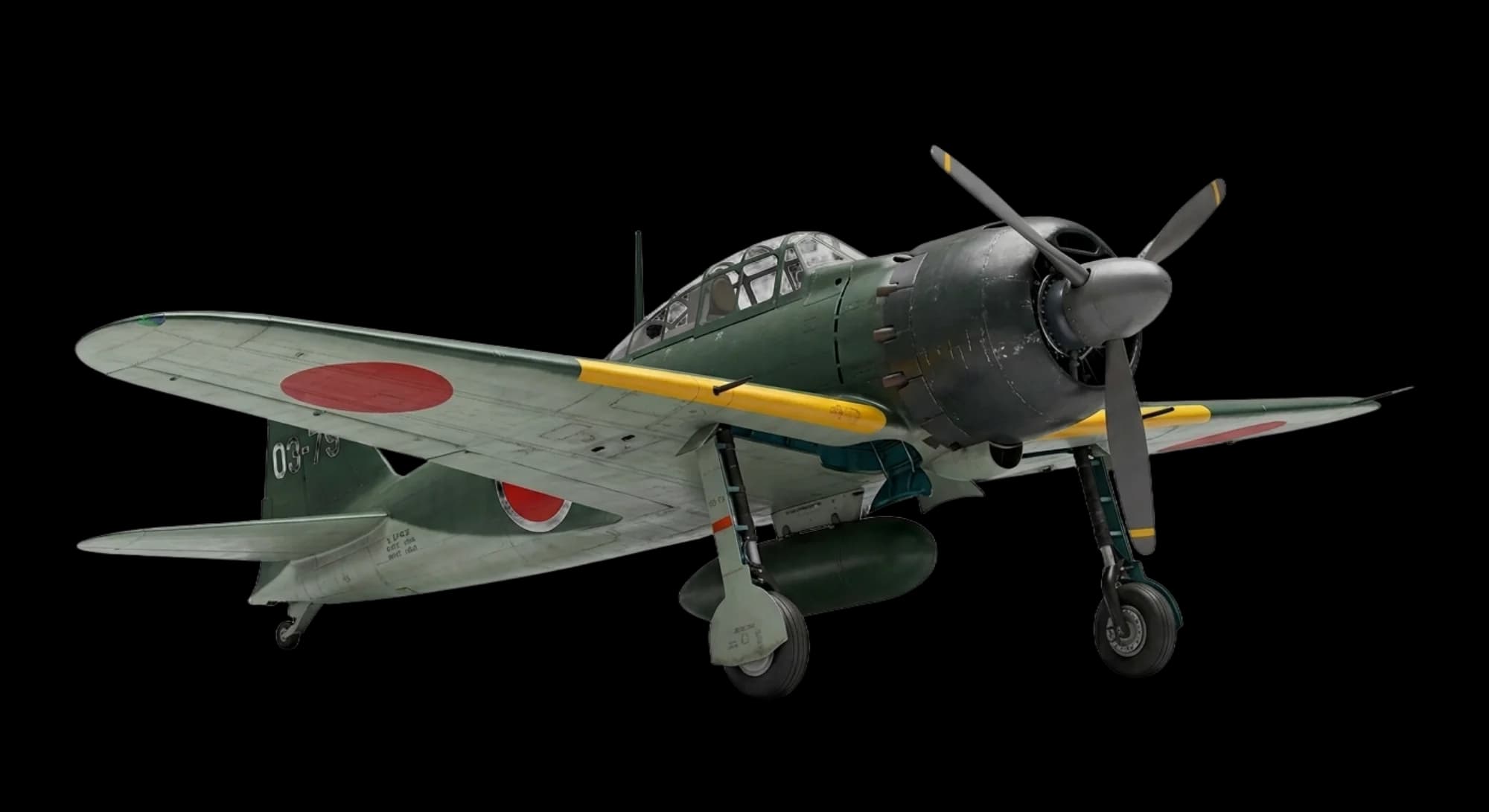
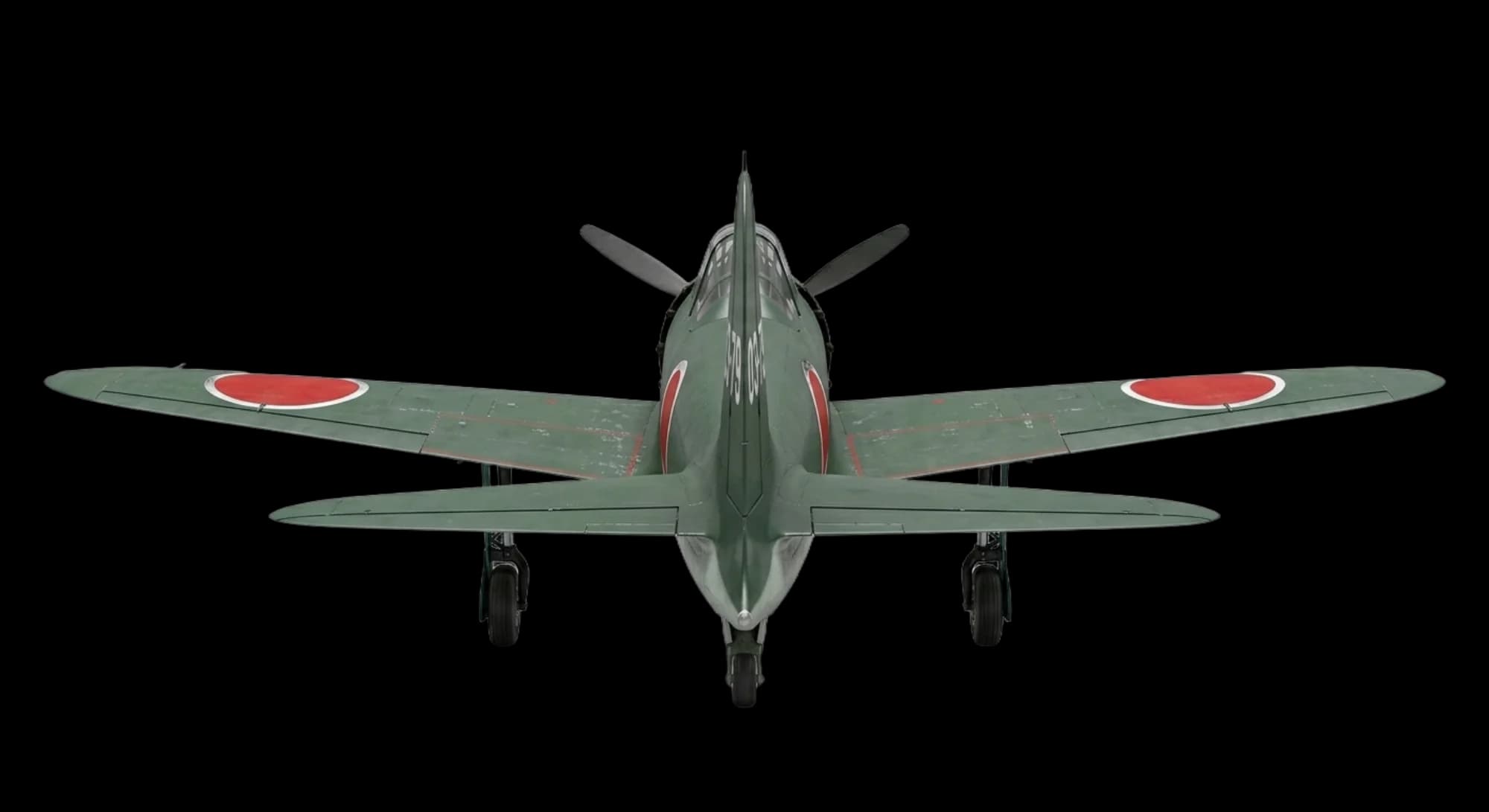
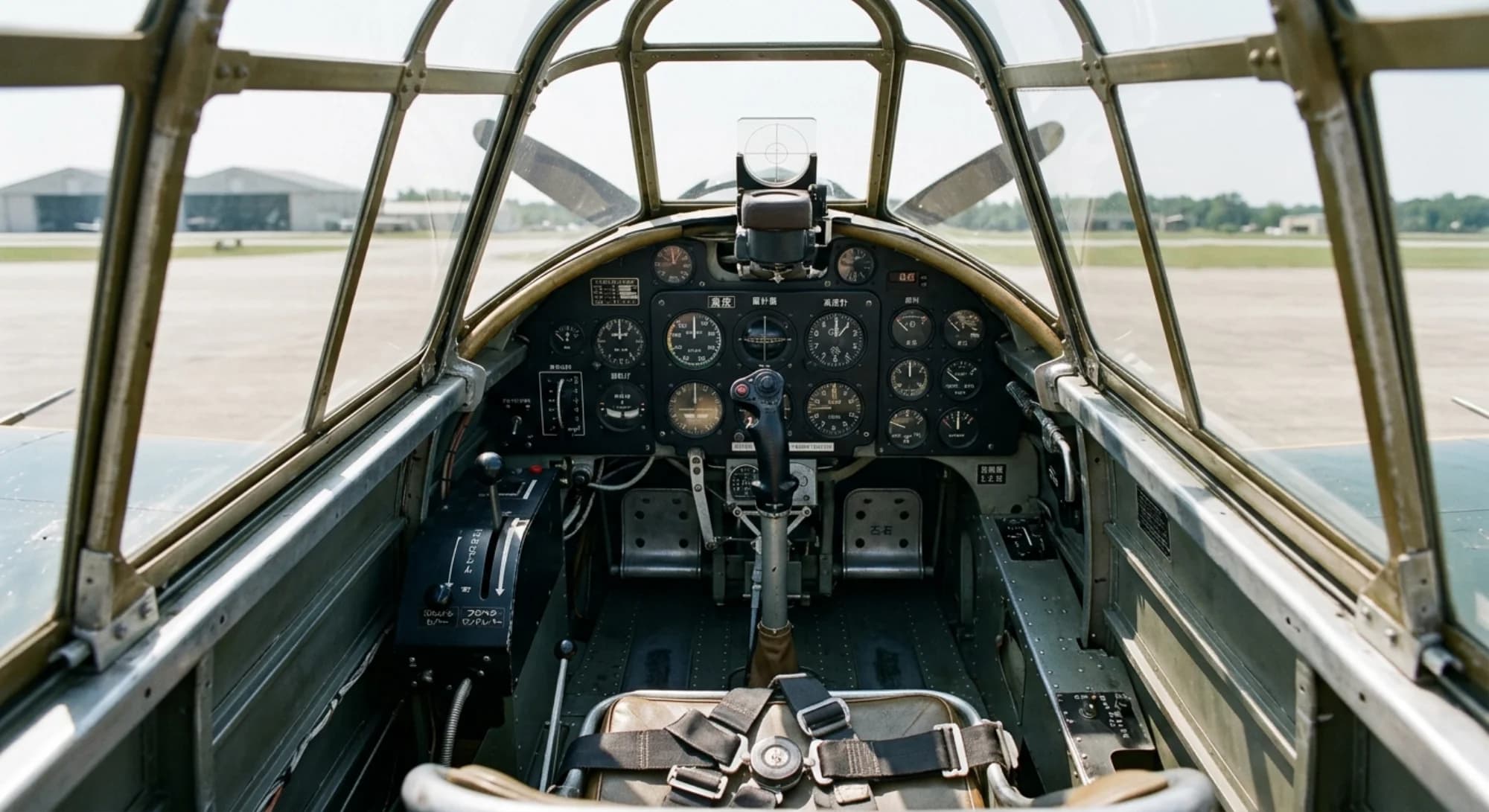
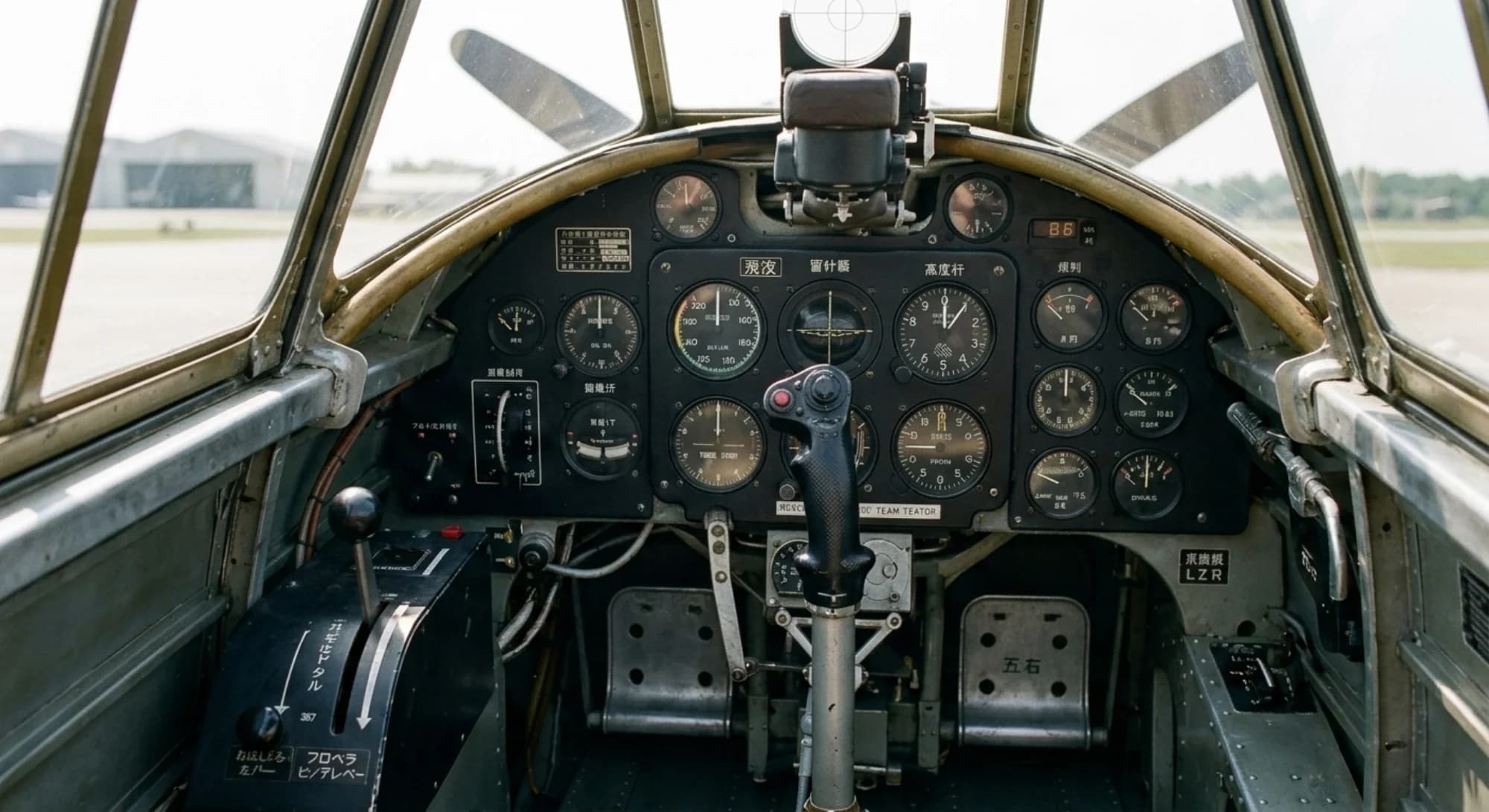
Mitsubishi Aircraft Mitsubishi A6M Zero 1939 - Front 3/4 viewMitsubishi Aircraft Mitsubishi A6M Zero 1939 - Front viewMitsubishi Aircraft Mitsubishi A6M Zero 1939 - Profile viewMitsubishi Aircraft Mitsubishi A6M Zero 1939 - Rear 3/4 viewMitsubishi Aircraft Mitsubishi A6M Zero 1939 - Rear viewMitsubishi Aircraft Mitsubishi A6M Zero 1939 - Cockpit viewMitsubishi Aircraft Mitsubishi A6M Zero 1939 - Cabin viewMitsubishi Aircraft Mitsubishi A6M Zero 1939 - Instrument Detail view
Front 3/4

Japan's legendary naval fighter that dominated the Pacific in early WWII. Its extraordinary range and agility shocked the Allies.

History

The Mitsubishi A6M Zero was the most famous Japanese aircraft of WWII and a symbol of Japanese air power. When it appeared over China in 1940, it outclassed every Allied fighter in the Pacific. Its extraordinary range of 1,600 nautical miles was achieved by eliminating armor and self-sealing fuel tanks, making it lightweight but vulnerable. The Zero dominated from Pearl Harbor through Midway until new American fighters like the F6F Hellcat exploited its weaknesses. Designed by Jiro Horikoshi, over 10,900 were built. It remains an enduring symbol of both Japanese engineering excellence and the cost of prioritizing performance over pilot protection.

Production & Heritage

Production Total10,939
DesignerJiro Horikoshi
Service Period1939-1945

Technical Specifications

Engine1x Nakajima NK1C Sakae-12 radial
Max Speed331 mph
Range1600 nm
Ceiling33,790 ft
Crew1
Wingspan39.4 ft
Length29.8 ft
Empty Weight3,704 lbs
Max Weight5,313 lbs

Engine Details

Engine ModelNakajima NK1C Sakae-12 radial
Engine Count1
Engine ManufacturerNakajima
Horsepower950 hp

Performance

Rate of Climb3100 ft/min

Dimensions

Wing Area242 sq ft

Weights

Max Takeoff Weight5,313 lbs

Armament

Guns2x 7.7mm Type 97, 2x 20mm Type 99
Bombs2x 132 lb bombs

Capacity

Crew1

Tags

Designed by Jiro Horikoshi

Keep Exploring

View all aircraft
SKIES HERITAGECookie Preferences

We use only essential cookies to make this archive work. No tracking or advertising cookies.

Learn more