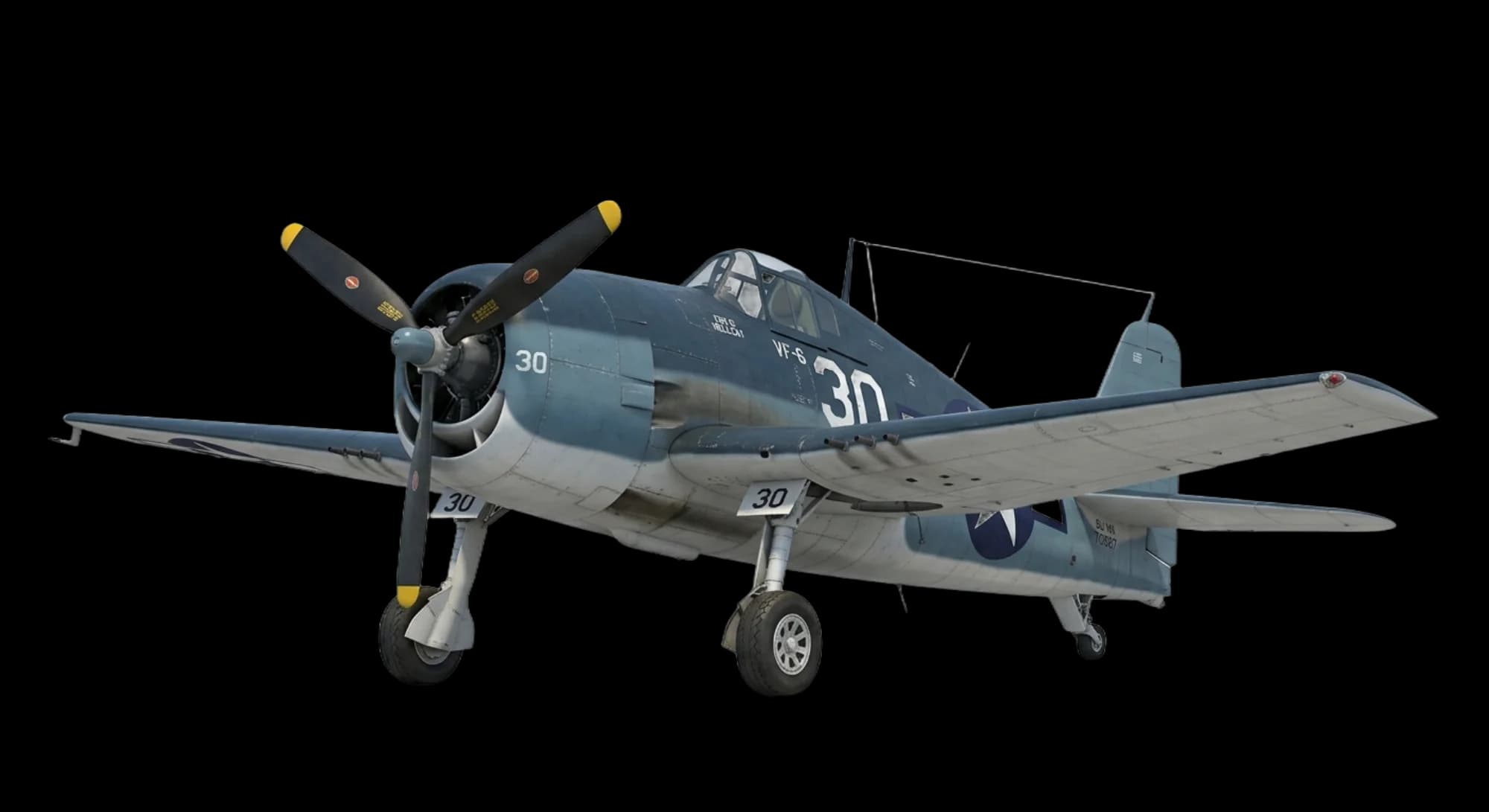
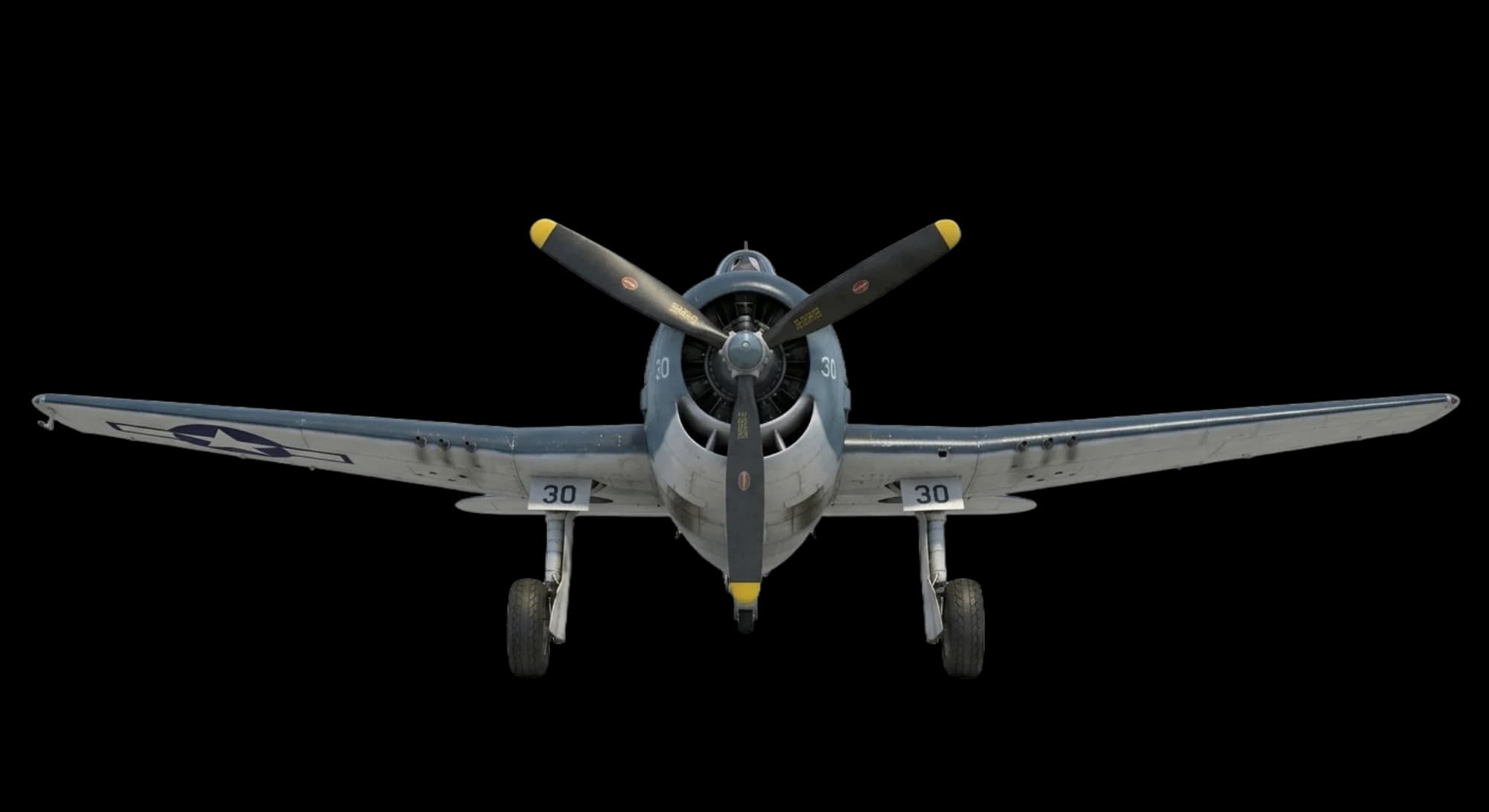
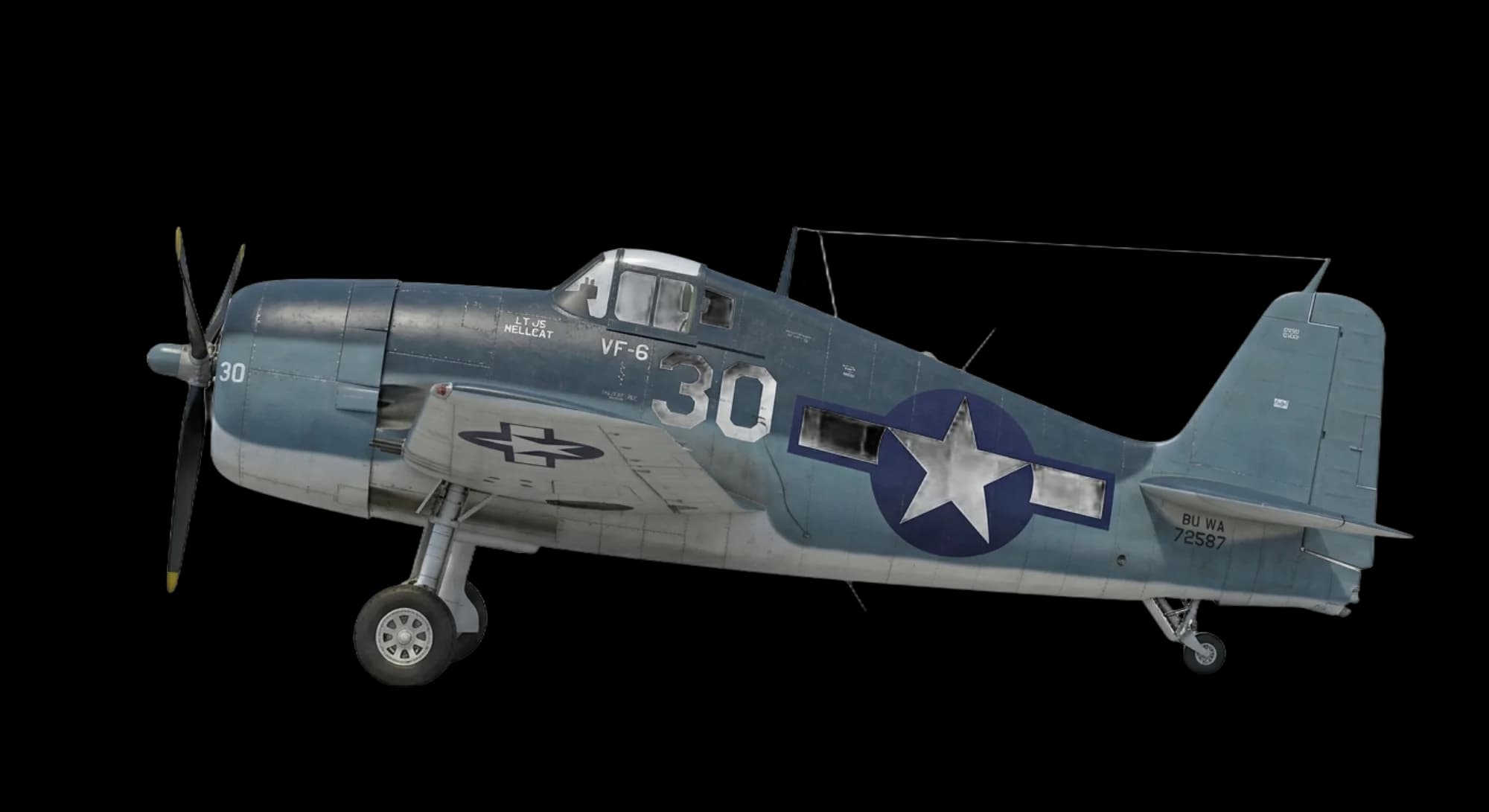
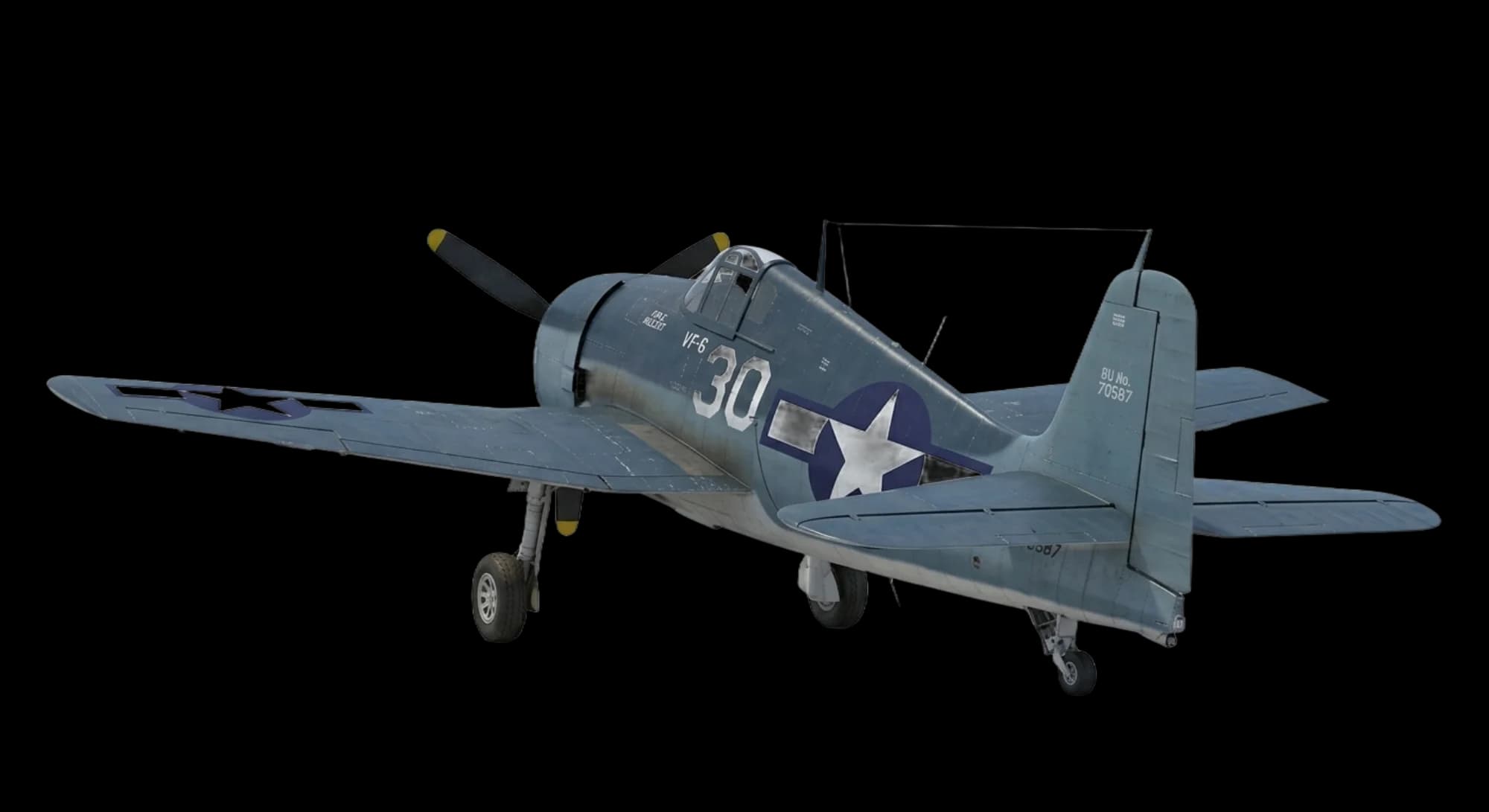
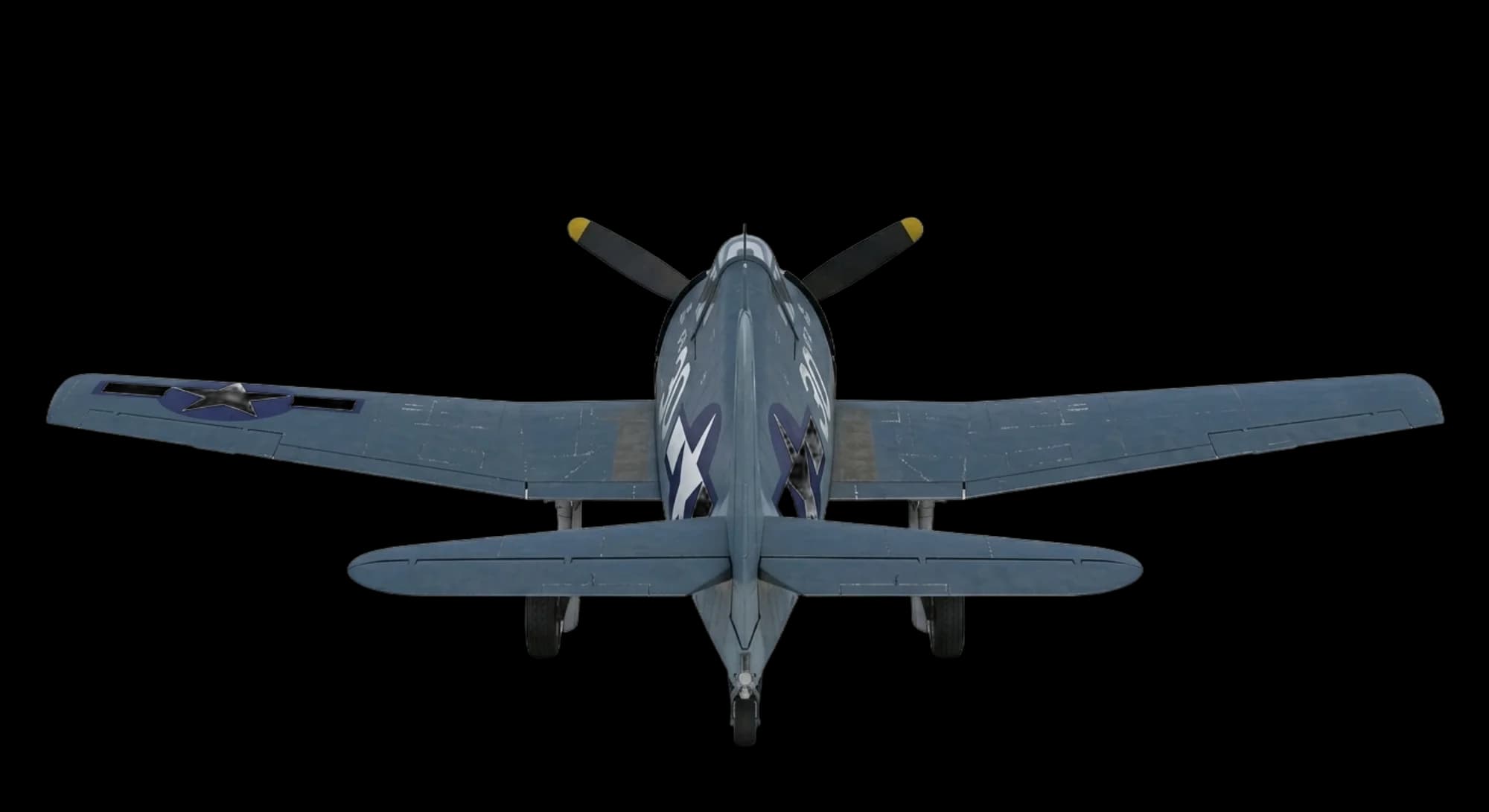
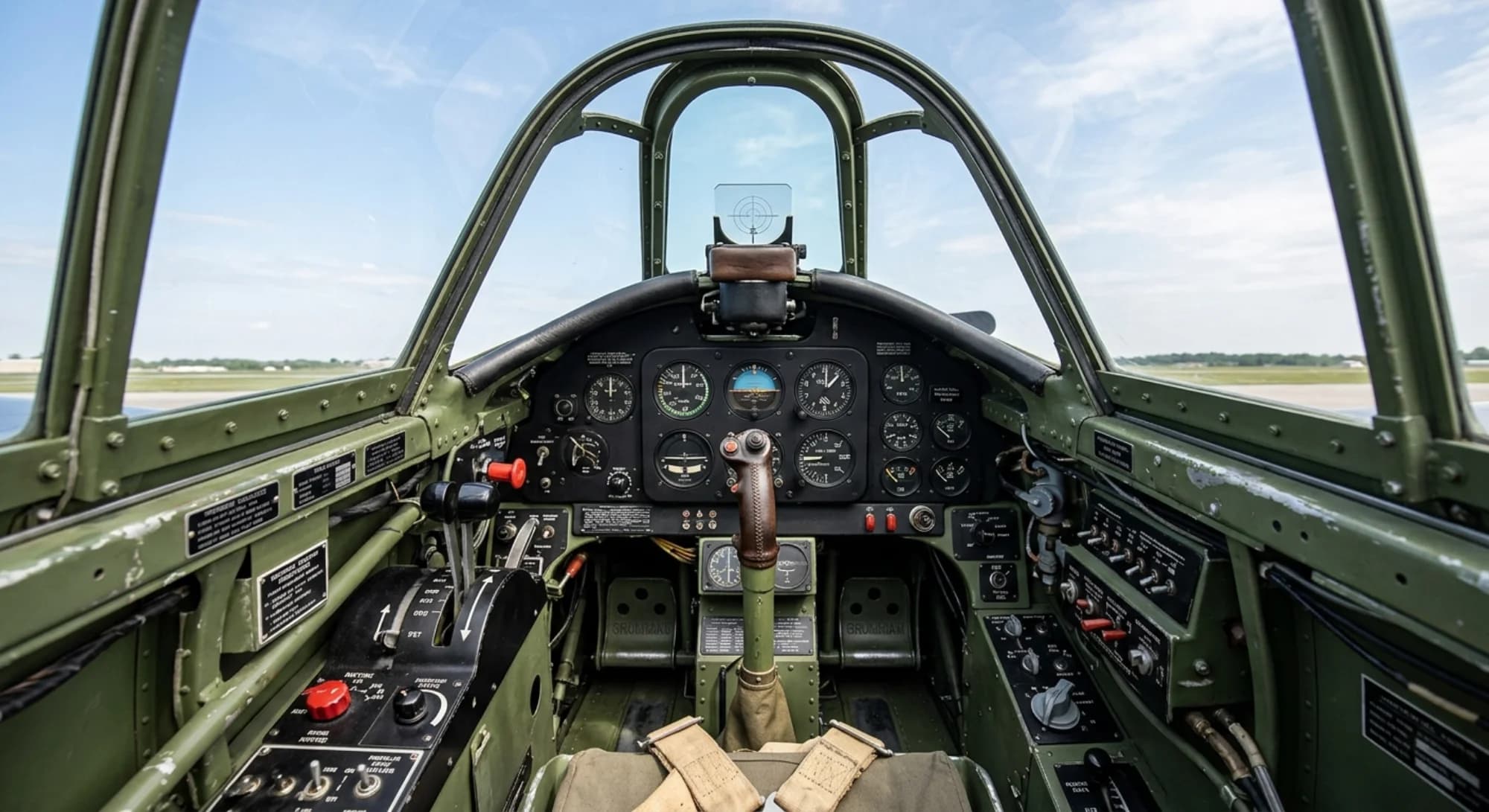
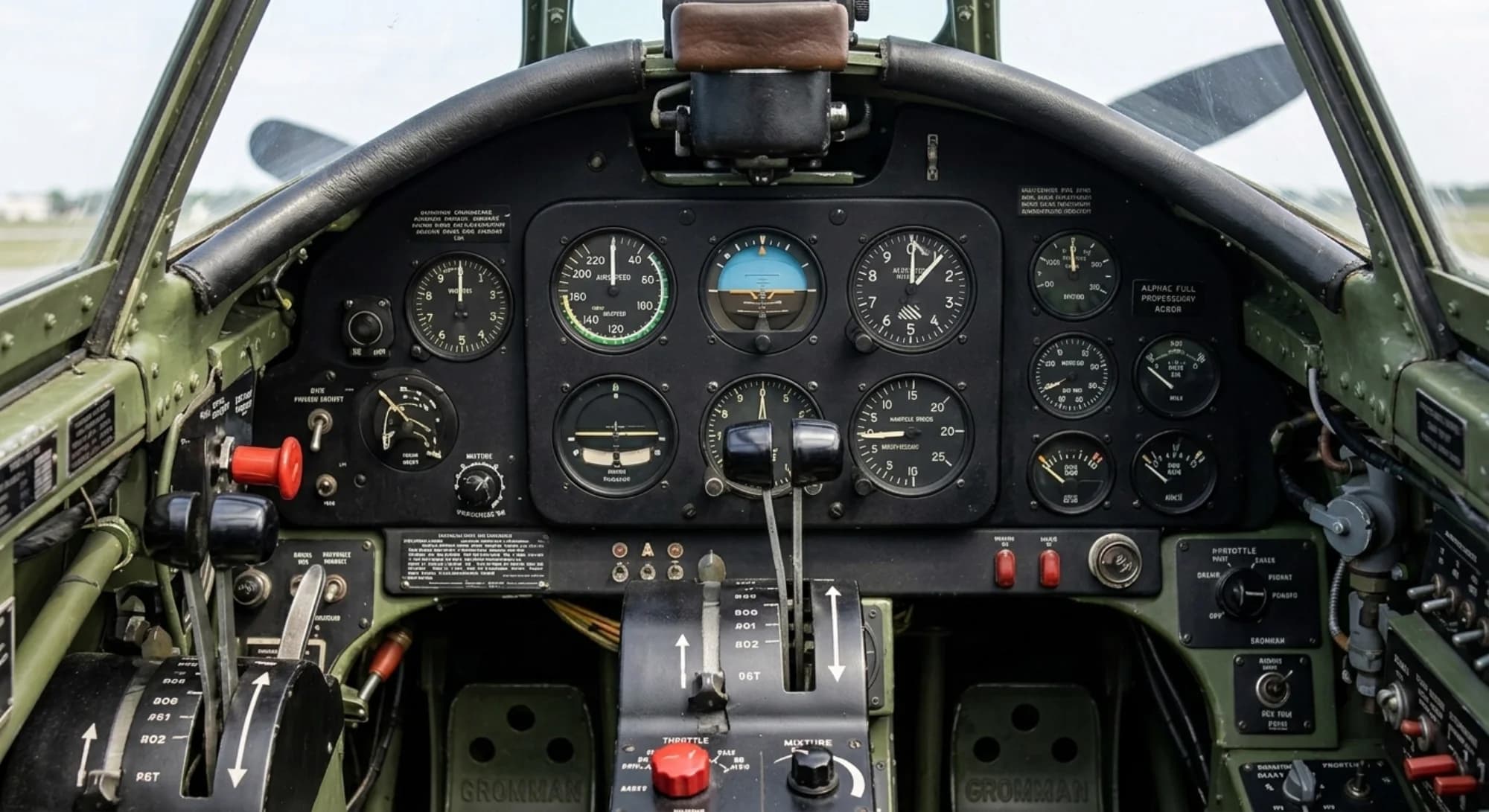
The ace-maker of the Pacific War. The Hellcat destroyed more enemy aircraft than any other Allied naval aircraft, with an astonishing 19:1 kill ratio.
History
The Grumman F6F Hellcat was designed specifically to counter the Mitsubishi A6M Zero, and it succeeded spectacularly. Grumman engineers studied a captured Zero and designed a bigger, heavier, more powerful fighter with armor protection and self-sealing fuel tanks. The Hellcat entered combat in August 1943 and immediately turned the tide of the Pacific air war. US Navy and Marine aces like David McCampbell (34 kills) achieved their scores in the Hellcat. At the Battle of the Philippine Sea in June 1944, Hellcat pilots shot down over 400 Japanese aircraft in what became known as the Great Marianas Turkey Shoot. The Hellcat is credited with 5,223 aerial victories, 75% of all US Navy air-to-air kills in the war.
Timeline
Production & Heritage
Technical Specifications
Tags
Designed by Leroy Grumman / William Schwendler